
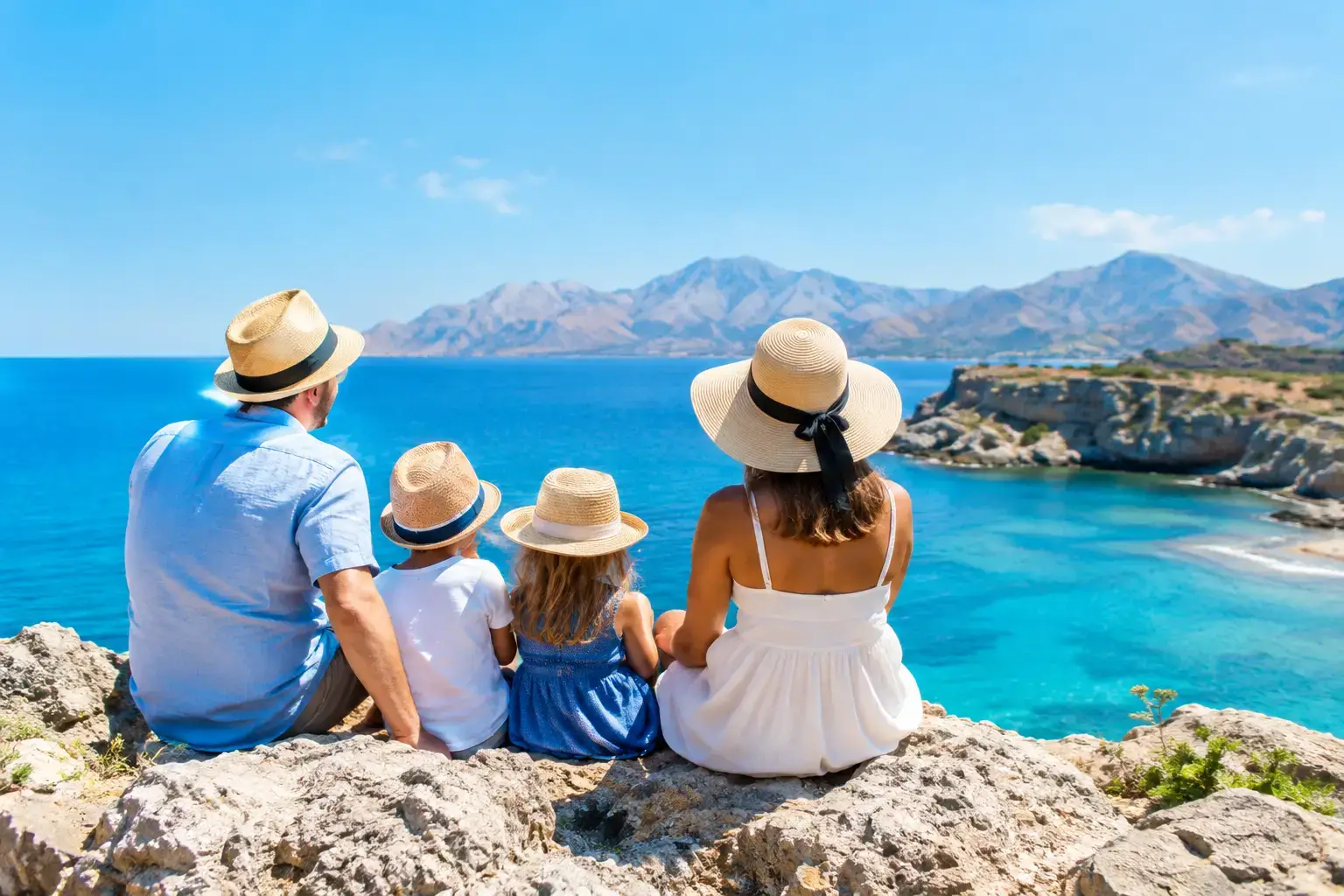
A 20-minute walk can take your family from a calm, shallow bay to a harbour taverna serving grilled fish, chips and fresh fruit. That is the appeal of family holidays in Crete, Greece: the island is large enough to offer a different experience every day, yet straightforward enough for a genuinely restful break.
Crete works particularly well for UK families who want more than a hotel pool but do not want to spend every morning planning. You can build days around spectacular beaches, old towns, boat trips and easy meals, then leave room for the slow holiday moments that children often remember best.
Why Crete works so well for family holidays
Crete is Greece’s largest island, so choosing the right area matters. The north coast is the simplest base for most families, with a wide choice of hotels, supermarkets, beaches and organised activities. It is also where you will find the main airports at Heraklion and Chania, making transfers more manageable after a flight from the UK.
The island rewards families travelling with children of different ages. Toddlers can spend happy hours by gently shelving water, older children can try snorkelling or a short boat trip, and teenagers have enough independence in lively resort towns without the pace of a major city break. Parents get the bonus of excellent local food, warm evenings and plenty of places where a relaxed family meal is expected, rather than merely tolerated.
There is a trade-off. Crete is not a small island to rush around. A famous beach may look close on a map but involve mountain roads or a long transfer. Pick a home base that suits your preferred holiday rhythm, and treat far-flung sights as occasional adventures rather than a daily target.
Choose the best part of Crete for your family
Chania and the west
Chania is a strong choice for families who want a handsome old town alongside beach time. The Venetian harbour is lovely for an early-evening stroll, while the surrounding coast has family-friendly resorts and quieter villages. Staying west of Chania can also put you within reach of some of Crete’s most celebrated sands.
Elafonissi is known for pale sand and clear, shallow water, although it gets busy in peak summer and the journey can be lengthy. Falassarna has broad beaches and beautiful sunsets, but can be breezier. These are excellent day trips for school-age children who can handle a little travelling, rather than essential outings for every family.
Rethymno for a balanced base
Rethymno sits neatly between Chania and Heraklion, making it a practical option if you would like to see more than one part of the island. Its long town beach is convenient, and the old town provides a more characterful setting than a purpose-built resort.
Families who like to walk out to dinner will appreciate Rethymno. In high season, however, the central area is busy and accommodation with a pool or a quieter beachfront location just outside town may be a better fit for younger children.
Heraklion and the east
Heraklion is handy for shorter airport transfers, water parks and the Palace of Knossos. It is a sensible choice for a first Crete holiday, especially if you prefer a resort with plenty on site. Hersonissos and nearby coastal areas offer a broad range of family hotels, although some spots are more energetic at night than others, so check the immediate location before booking.
Further east, Agios Nikolaos and Elounda feel more polished and scenic. They can be ideal for families seeking a slower stay with pretty coves, boat outings and good restaurants. Prices may be higher, particularly during school holidays, but a quieter setting can be worth it if poolside downtime is your priority.
Beaches and days out worth planning
The best beach day is not always the one with the biggest name. Look for a sheltered bay with sunbeds, shade and a taverna nearby, especially when travelling with smaller children. Georgioupolis, Almyrida and the beaches around Agios Nikolaos are often easier for a full family day than more remote beauty spots.
For an outing with a clear purpose, a boat trip can be a winner. Short cruises from coastal towns often include swimming stops and views that are hard to get from the road. Choose a trip length honestly. A half-day sailing is usually enough for younger children; older children may enjoy a longer excursion to an island or secluded beach.
Knossos, near Heraklion, brings ancient Crete to life more effectively when you keep the visit short and go early. The site has limited shade and summer heat can be intense. Pair it with an afternoon by the pool rather than trying to fit in another major attraction.
Water parks provide an easy high-energy day, particularly for families with confident swimmers and teenagers. They are less suited to parents hoping for quiet exploration, but can be a useful reset between beach days and sightseeing. Booking ahead in busy school holiday weeks may save time at the entrance.
How to make family holidays in Crete, Greece easier
For a beach-led break, late May, June, September and early October often offer a comfortable balance of warm weather, sea temperatures and fewer crowds. July and August bring dependable heat and a buzzing atmosphere, but midday sightseeing is demanding and popular beaches fill up early. If your dates are fixed around the UK school holidays, build in slower mornings and choose accommodation with reliable shade and a good pool.
A hire car gives you freedom, particularly in western Crete or if you are staying in a village. It makes supermarket stops and nap-time journeys much simpler too. Yet it is not essential for every stay. If you plan to remain at a resort near Chania, Rethymno or Heraklion, an airport transfer plus one or two organised excursions can be less stressful than navigating unfamiliar roads and parking in high season.
When hiring a car, book suitable child seats in advance and check whether your accommodation has easy parking. Mountain routes can be narrow and winding, so avoid overloading your itinerary. A short drive to a nearby cove is usually more enjoyable than a two-hour cross-island mission with tired children.
Accommodation choice makes a bigger difference than chasing the lowest headline price. A self-catering flat offers space, a fridge for snacks and flexibility around early breakfasts. A family hotel can remove much of the daily organising, especially if it has a kids’ pool, evening entertainment and several dining options. All-inclusive works well for families who want predictable costs, while a smaller hotel or villa suits those keen to eat out and explore local villages.
Before you travel, arrange travel insurance that covers the activities you are likely to do and check current entry, health and airline baggage requirements for everyone in your party. Bring reef shoes for pebbly coves, high-factor sun cream, hats and a lightweight cover-up. Mosquito repellent is useful for evenings near gardens or water.
Eat well without turning meals into a negotiation
Cretan food is one of the island’s quiet strengths for families. Many tavernas are relaxed about children and portions are often generous enough to share. Simple choices such as grilled chicken, meatballs, fresh bread, potatoes, rice, pasta and Greek yoghurt usually sit alongside more adventurous dishes.
Try ordering a few plates for the table rather than committing everyone to a large main meal. It gives reluctant eaters familiar options and lets curious children sample dolmades, local cheese pies or grilled vegetables without pressure. Eating a little earlier than local families can also mean cooler tables and faster service.
Crete does not need a packed itinerary to feel special. Choose a base that matches your family’s pace, reserve the long journeys for the days when everyone has the energy, and leave an unplanned afternoon for the beach you happen to love most.
Leave a Reply